New Wedding Venue
Client
Stallingborough Grange HotelValue
£0.93MProcurement
TraditionalCompleted
2018Duration
35 Weeks
Location
- Stallingborough
Consultants
- Building Link Design
- John Roberts
- Mellor Associates
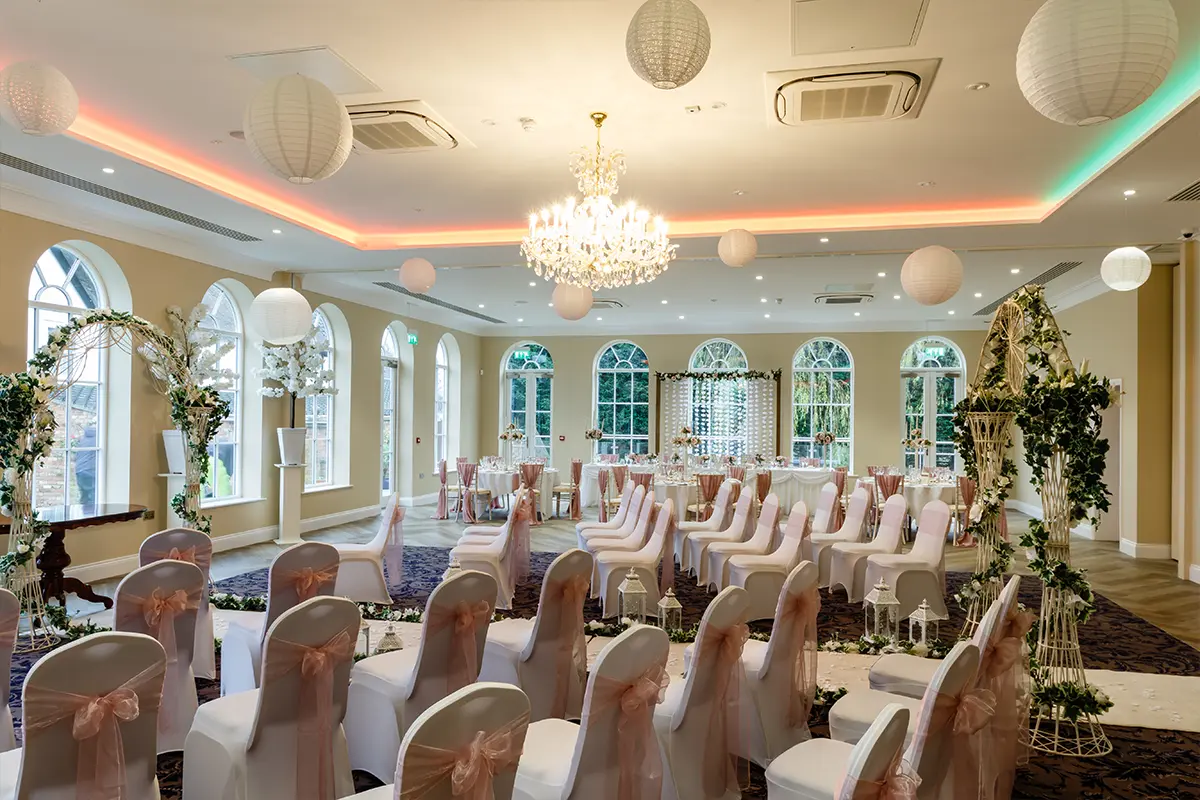
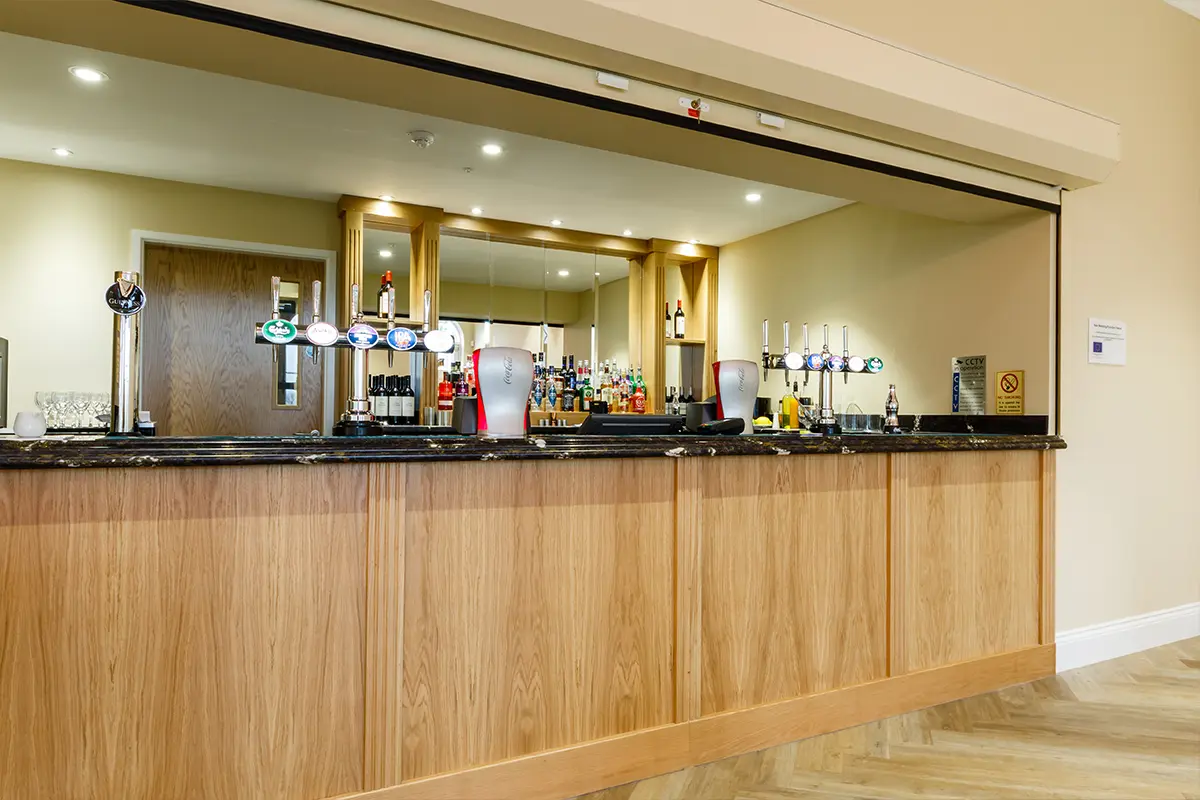
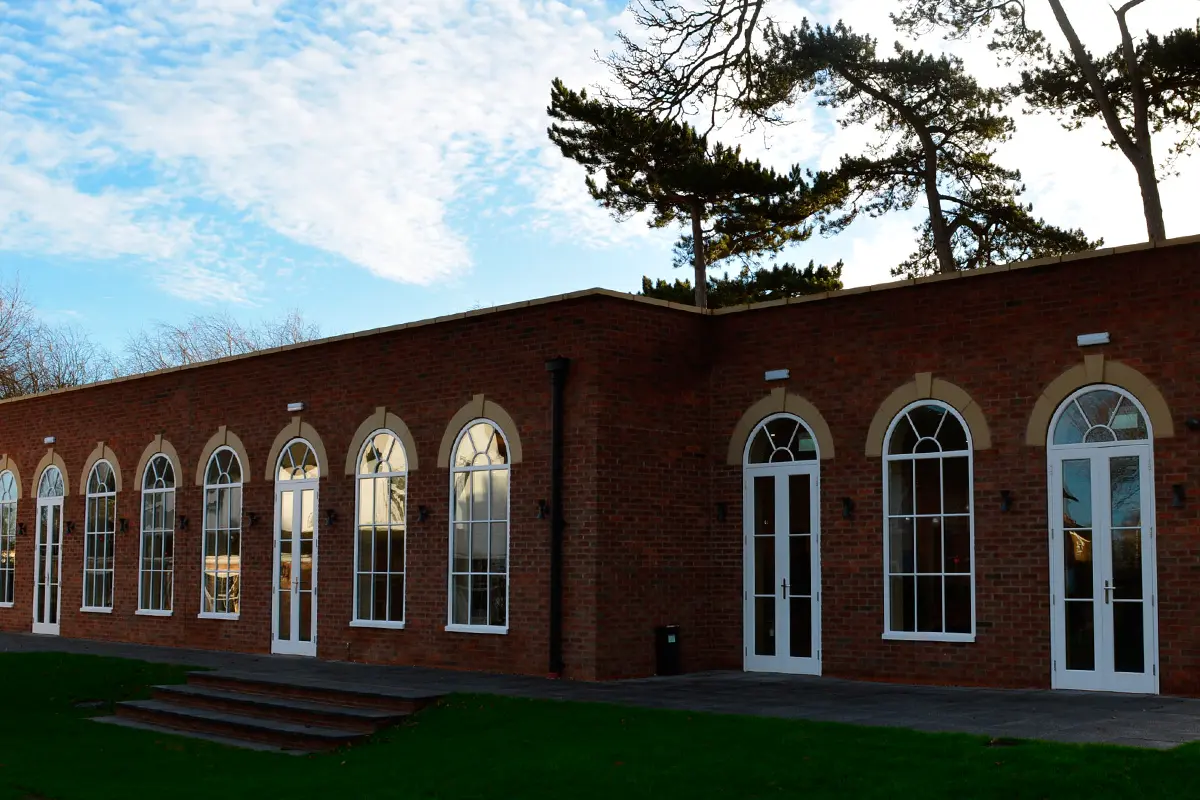
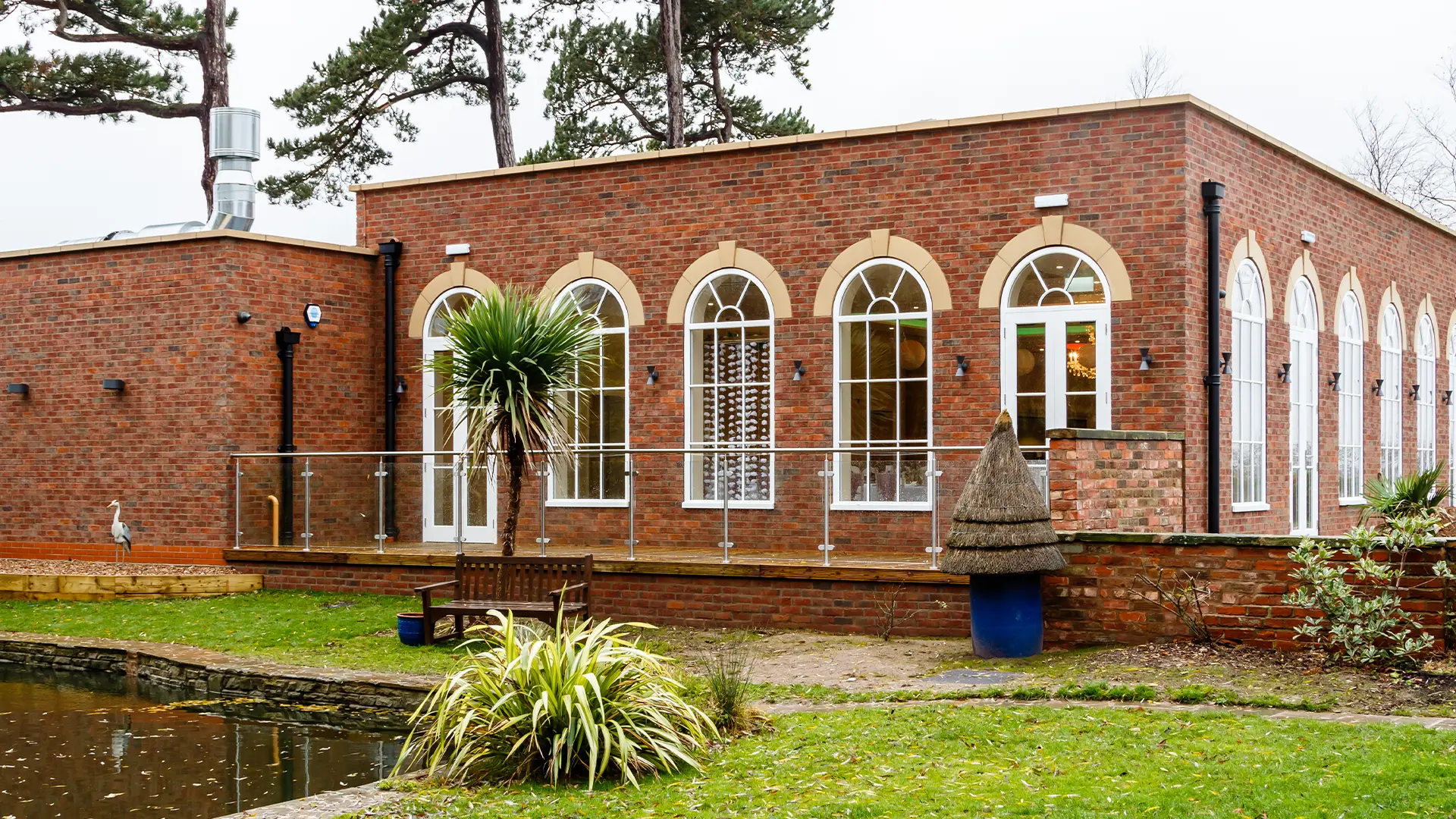
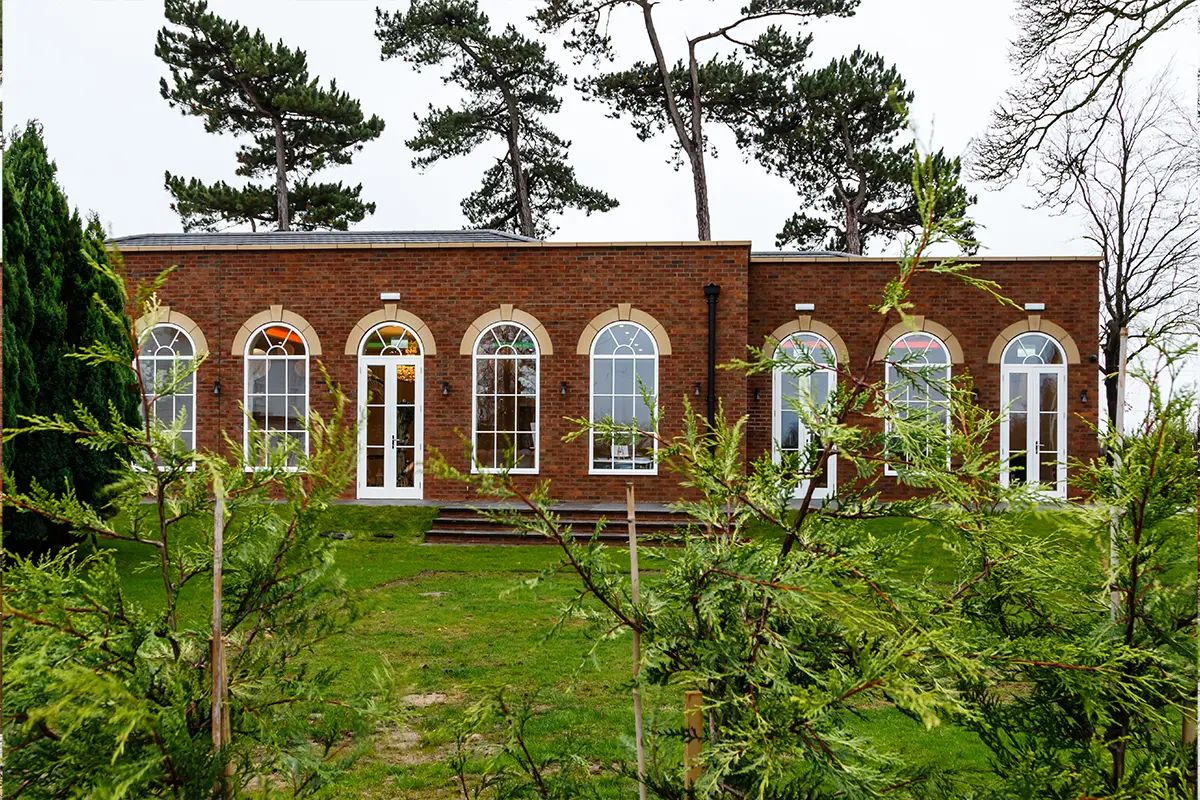
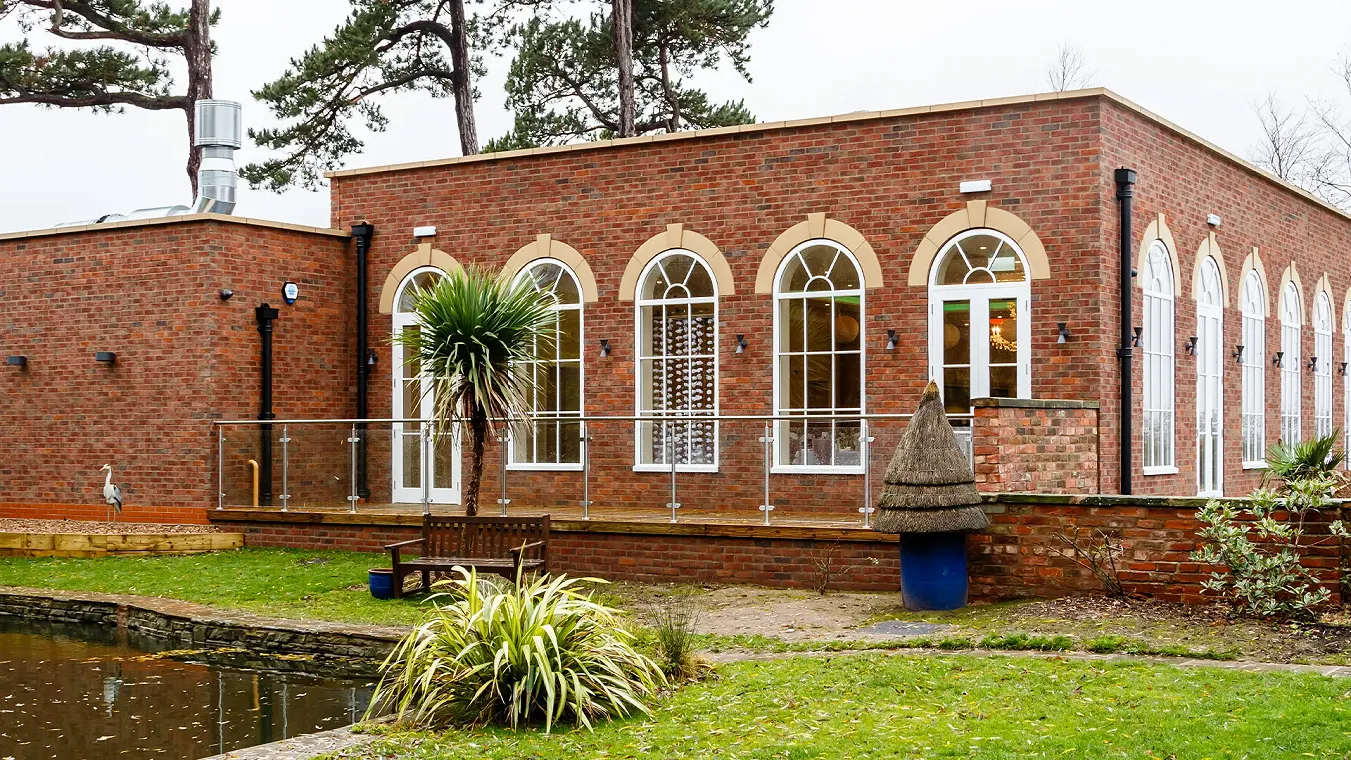
Set within the grounds of an established hotel, this stand-alone events building was conceived as an elegant addition to an already thriving wedding and conferencing venue. The client’s ambition was clear: to create a refined Georgian-style Orangery that would expand their events offering while strengthening the relationship between the hotel and its surrounding landscape.
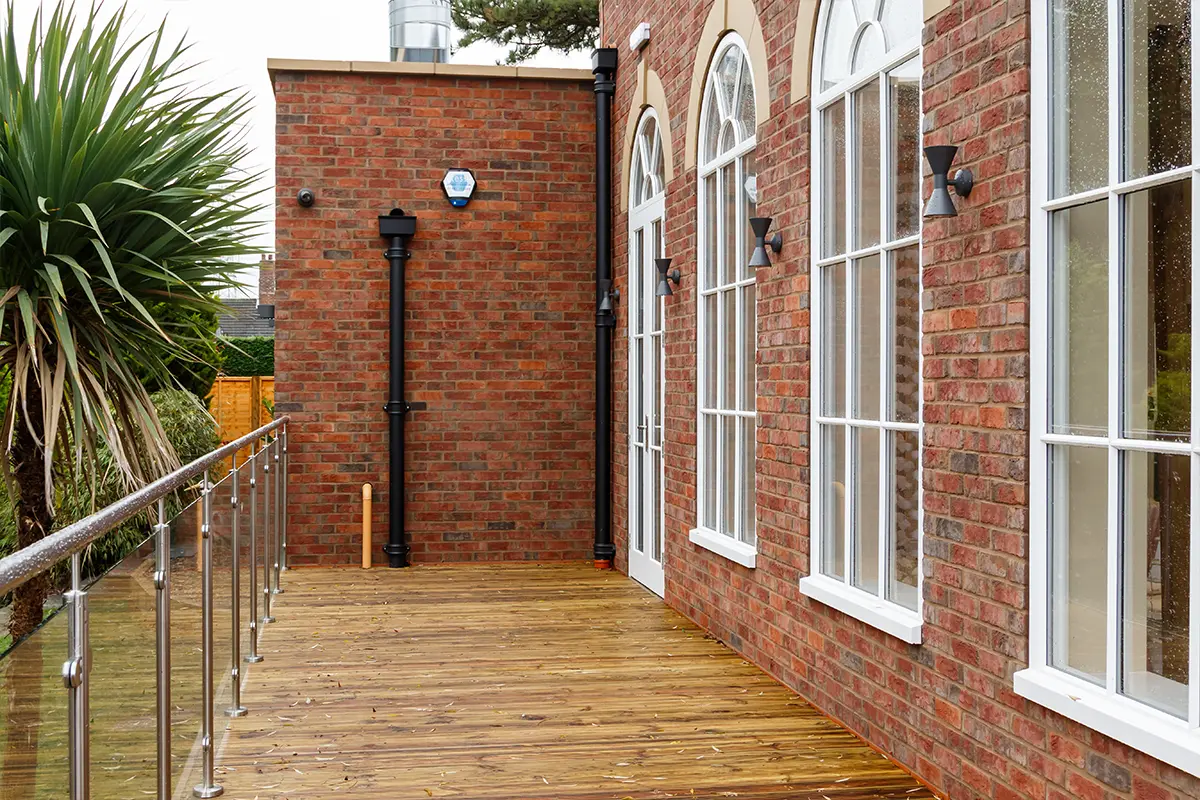
Inspired by the classical proportions and symmetry of Georgian architecture, the design embraces large-scale glazing and repeated window fenestration to flood the interior with natural light. The extensive glazing not only enhances the sense of openness and grandeur expected for wedding celebrations, but also creates a seamless visual connection between internal functions and the wider grounds. Guests remain constantly engaged with the landscape—whether attending an intimate conference or a full-scale wedding reception.
Flexibility was fundamental to the building’s success. The principal function room incorporates movable partitions, allowing the space to transform effortlessly from a single large venue into smaller, acoustically separated rooms for concurrent conferences or private events. The rhythm of the glazing informed the architectural language and enabled doors to be integrated discreetly along the façade, ensuring adaptable access points and enhancing the building’s operational versatility.
While the finished structure presents as a simple, elegant pavilion, the technical complexity beneath the surface was significant. The site was constrained by mature trees and extensive “no-dig” zones imposed for tree protection. With the building located within root protection areas and traditional strip foundations prohibited, a tailored structural solution was essential. In collaboration with structural engineers, a concrete raft foundation supported by mini piles was developed. This approach distributed the building loads safely, preventing damage to the delicate root systems below and ensuring compliance with planning conditions.
Navigating these constraints required close coordination between the design team, contractor, and consultants. Strong working relationships were instrumental in delivering the project on programme and within budget, without compromising the architectural vision or the client’s aspirations. The Local Authority’s building control and planning departments played a key role, adopting a pragmatic and collaborative approach to resolving on-site challenges.
The result is a refined and highly adaptable events pavilion—an elegant Georgian Orangery that feels both timeless and contemporary, seamlessly extending the hotel’s offering while sitting respectfully within its mature landscape setting.